
Spring is here and for New Hampshire residents, we know that means chilly mornings, warmer afternoons and the constant juggle of maintaining comfortable indoor temperatures at home.
If your family relies on electric baseboard heat, you may be familiar with uneven comfort as temperatures fluctuate throughout the year. If that sounds like your at-home experience, the NHSaves® utility partners can help you explore more efficient heating and cooling options that support your year-round comfort.
Baseboards vs Heat Pumps: How New Hampshire Conditions Affect Year-Round Comfort
Many of New Hampshire’s historic homes feature exposed wood beams, central chimneys, and architectural details that add charm and character. They can also contribute to insulation gaps, drafty conditions and indoor temperature swings.
During the long heating season and throughout unpredictable shoulder-season weather, this can cause comfort issues for you and your family. And when summer humidity arrives, the need for efficient cooling and dehumidification becomes just as important.
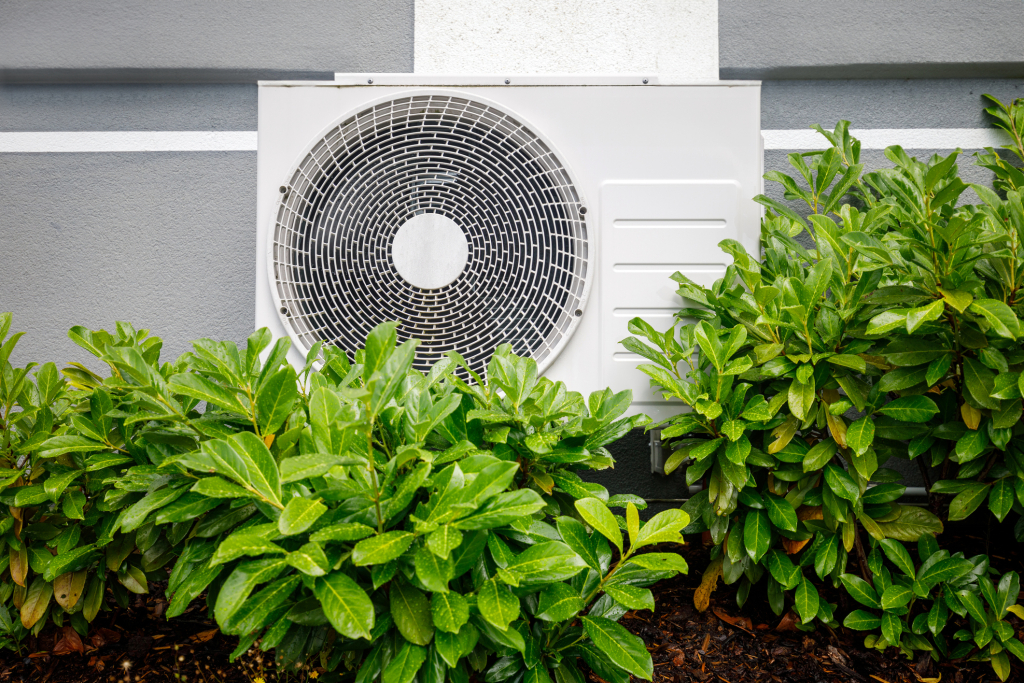
Heat pumps can be a great solution for homeowners looking to improve their indoor temperatures all year long unlike baseboards, which convert electricity directly into heat, heat pumps move heat from one place to another. That allows these systems to deliver more heat per unit of electricity than electric resistance systems, which can translate to lower energy use and bills. Heat pumps use up to 50 percent less electricity* and a typical New Hampshire home using electric resistance heat can save $1,000 by switching.** NHSaves utility partner customers are eligible to receive up to $2,000 per ton in rebates when they switch from electric resistance heating to an air source heat pump.
Five Tips for Making the Switch
- Understand the Comfort Upgrade: Heat pumps deliver steady, even heat instead of the hot and cold swings many people associate with electric baseboards. This can help reduce temperature differences between rooms, especially in aging homes.
- Get Year-Round Value: A heat pump can heat your home in winter and provide efficient air conditioning in summer. During muggy stretches, many systems also help with dehumidification, which can improve your at-home comfort.
- Consider Air Quality Benefits: Heat pumps operate without burning fuel inside your home, helping maintain a cleaner indoor environment. Many heat pumps also include filtration and continuous air circulation that can help reduce dust and improve overall indoor comfort (especially when paired with good maintenance and clean filters).
- Pair the Upgrade with Weatherization: Air sealing and insulation help keep the heat (or cool air) where it belongs helping your heat pump perform at its best. If you’re making an investment in new equipment, tightening up your home’s envelope can improve your comfort immediately and may lower your monthly energy bills even further.
- Right-Sizing and Install Matter: The best system is the one designed for your home. A qualified contractor can recommend the right type of heat pump (ductless or ducted), the number and placement of indoor units and controls that can help you achieve the comfort and savings you’re looking for.
How the NHSaves Utility Partners Can Help
From incentives to personalized recommendations, the NHSaves utility partners are here to support your journey to year-round comfort with resources to help reduce costs for cold-climate heat pumps and weatherization upgrades. The Home Energy Performance program offers a home energy audit that looks at how your home uses energy and can be a key starting point to receive customized heating and cooling recommendations for your home’s unique needs.
Before muggy conditions settle in over the upcoming months, start planning your home’s next efficiency upgrade. Stay cool and comfortable all summer long with an energy-efficient heat pump that can heat, cool and dehumidify your space all in one.
Interested in getting started? Visit NHSaves.com for FAQs and other resources to help you learn more about eligibility requirements, the benefits of participation, available financing and contractor options.
*https://www.energy.gov/energysaver/electric-resistance-heating
**Based on U.S. Department of Energy data and program modeling.