Overview
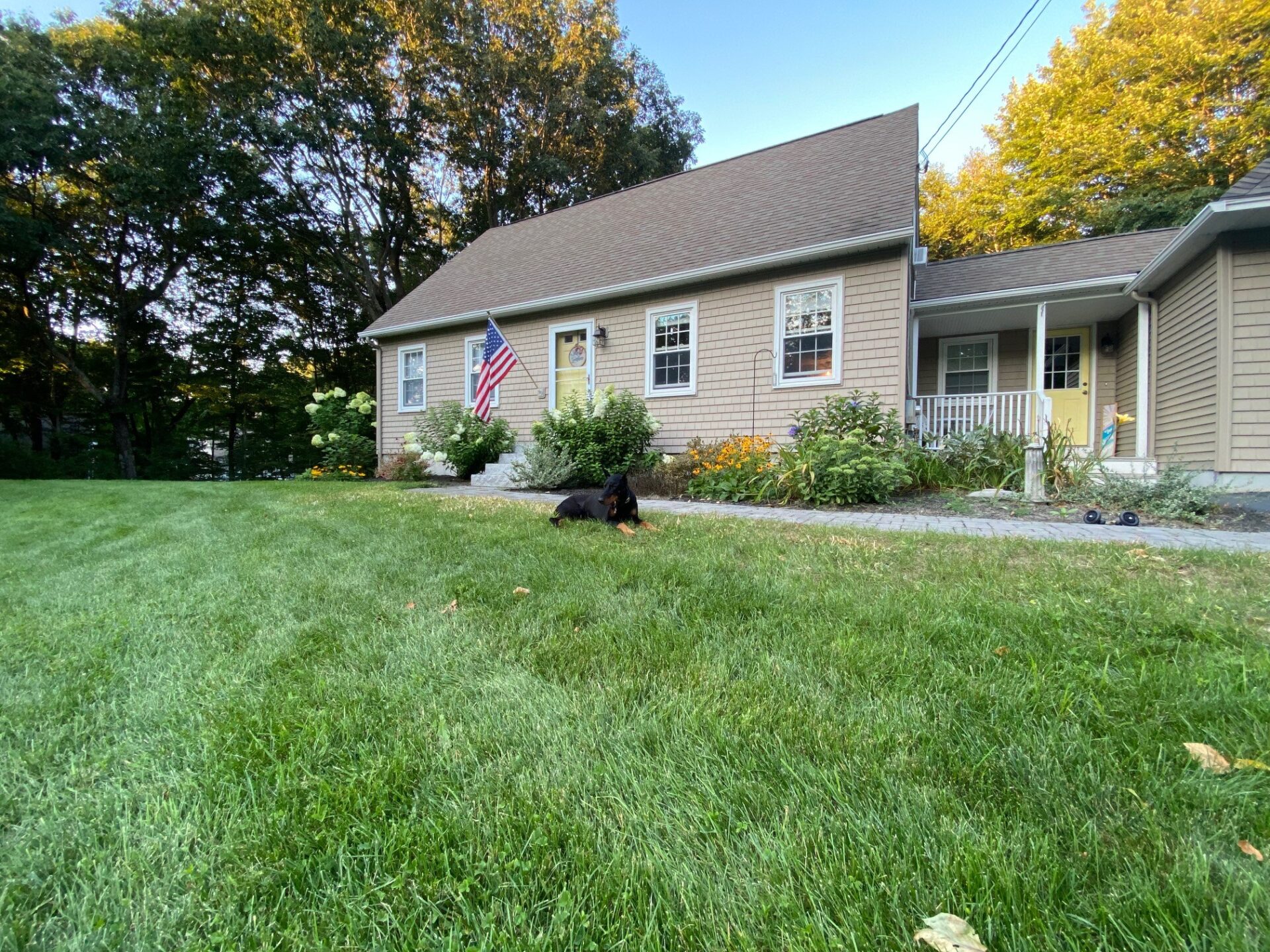
When a Goffstown, New Hampshire family purchased their home in 2015, there was one major unknown: the attic, which was inaccessible at the time of their original home inspection. Years later, while preparing to add attic access, that unknown finally came into view.
Despite installing a new boiler in 2018 and making other heating upgrades, the homeowners continued to struggle with heat loss and rising oil use in their home. The boiler seemed to run constantly once the family began heating the second floor, and a wood stove was often used to help maintain comfort during the winter months.
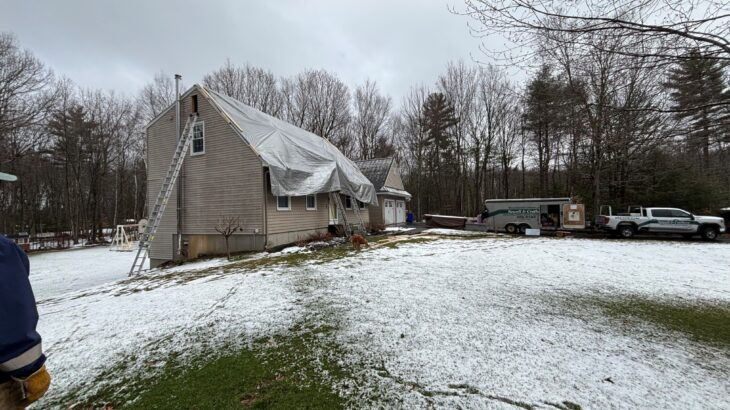
During the winter of 2025–2026, worsening ice dams and the need for a full roof replacement exposed the root cause. After attic access was added, the homeowners discovered widespread mold caused by years of moisture buildup
and the absence of a proper vapor barrier. Once in the attic, it was also discovered that sections of the second floor had no drywall installed on the ceiling and featured pine tongue-and-groove v-match boards, which can be challenging to air seal effectively. These hidden conditions
contributed significantly to the home’s heat loss and moisture problems. A roofing contractor recommended the NHSaves® programs, connecting the family with approved contractor Newell & Crathern to explore a whole-home solution.
Goal
The homeowners’ primary goal was to eliminate the underlying cause of the mold and excessive heat loss while improving overall efficiency and comfort. They needed a solution that addressed insulation, air sealing and ventilation together while the full roof replacement was already underway.
Outcome
Newell & Crathern conducted a no-cost home energy audit through the Home Energy Performance program and developed a phased plan aligned tightly with the roofing schedule. Close coordination with One Source Construction, the roofing contractor, was critical to the project’s success. By remaining flexible and adjusting its schedule around the insulation work, the team helped ensure the entire project could move forward smoothly.
The work included:
- Spray Foam Insulation and Air Sealing: Two inches of closed-cell spray foam were installed along vaulted ceilings and knee walls to create a proper air and vapor barrier, eliminating moisture issues and preventing future mold growth
- Attic Insulation Enhancements: After the roof was replaced, additional cellulose insulation was blown in over flat ceiling areas, significantly increasing the overall insulation level
- Targeted Sealing and Ventilation Improvements: Crews sealed around the chimney, insulated exhaust fan piping and ensured proper attic ventilation to stabilize temperatures and manage moisture year-round.
From roof removal to final blower door testing, the project was completed in just one week despite challenging weather conditions during the process.
“The project wrapped up just a few weeks ago and we can already tell the difference. The boiler isn’t kicking on nearly as much and the heat loss we used to see on the roof is completely gone. This is something I would have paid for completely out of pocket and it could have been very expensive, especially with five kids at home. The rebate made a big difference and made the project much more manageable. The coordination, communication and overall experience were excellent.”